Learning Kubernetes with Diagrams and Hands-on Practice

I was selected for the Gilbut Book Review Group with fairly low expectations, so it came as a pleasant surprise.
Recently, I’ve been feeling the absence of a solid DevOps culture in my company, and the timing of this book couldn’t have been better.
Unlike many Kubernetes books that focus heavily on theory, this one explains complex structures using clear and intuitive diagrams, which makes abstract concepts much easier to understand.
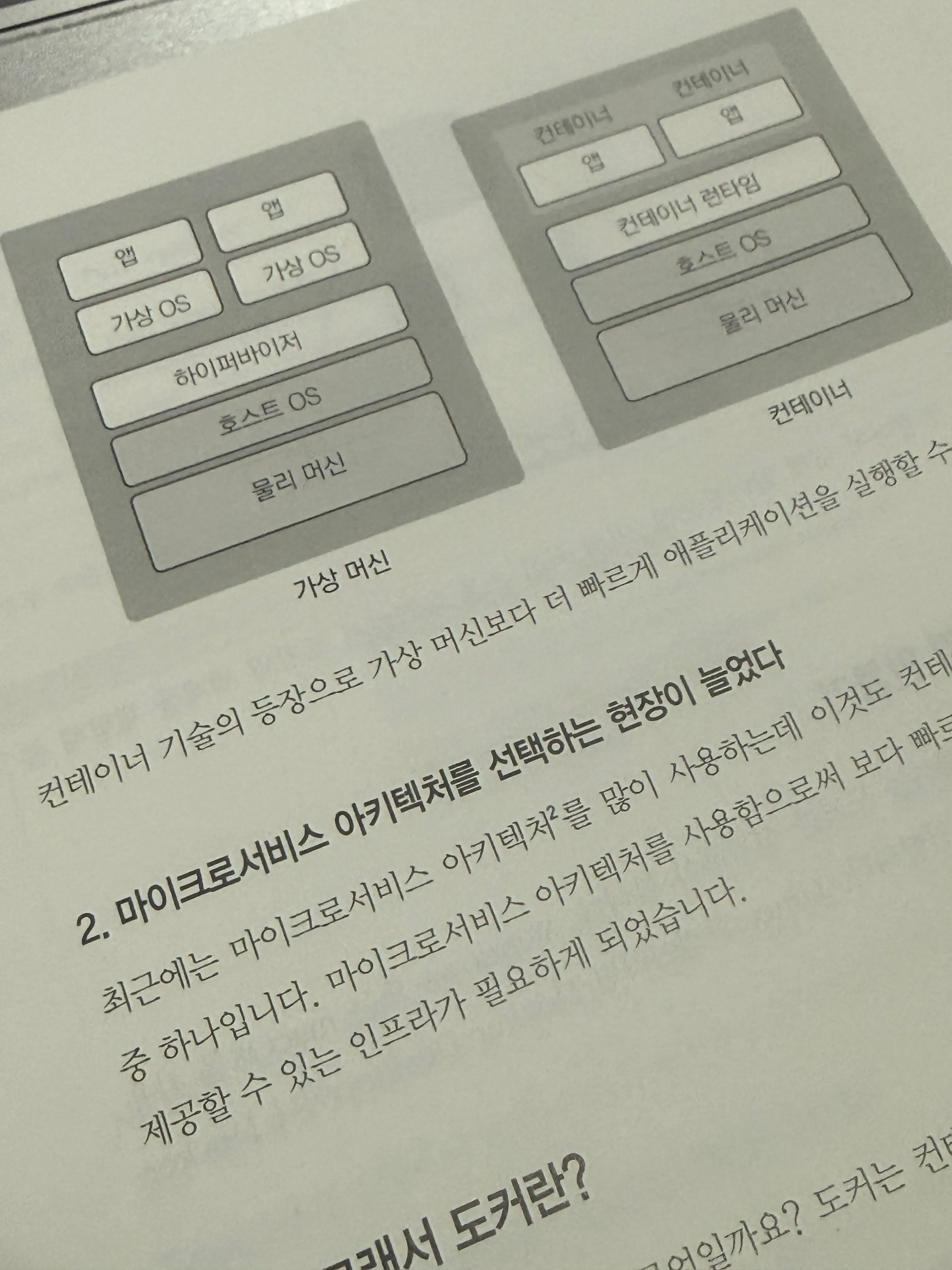
As the title suggests, the book includes hands-on practice.
You clone the following repository, open it in your IDE, and set up a Kubernetes environment locally in whatever way you prefer:
Loading repository data...
What stood out to me was how intentionally the book encourages repeatedly creating and destroying resources.
This repetition really helps reinforce how Kubernetes behaves in real scenarios.

While reading, I felt that fragmented knowledge I had picked up through trial and error at work was finally being organized into a coherent structure.
There were many moments that felt familiar, almost like reconnecting with half-forgotten experiences.
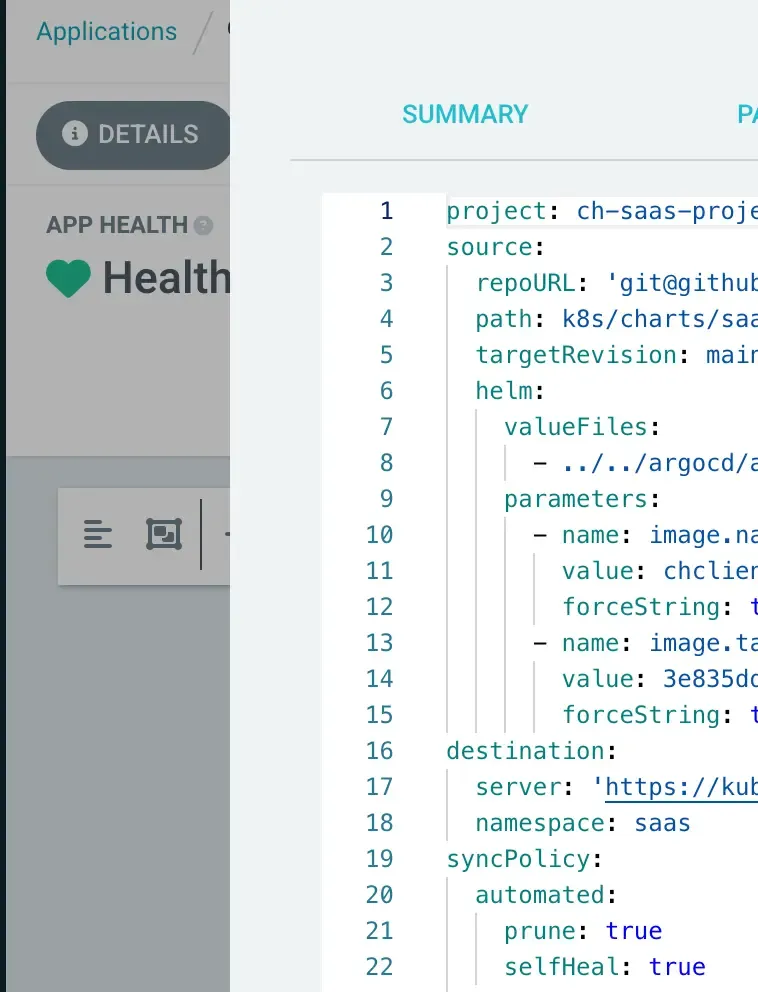
I haven’t finished the book yet, but after reviewing the monitoring section, I’m motivated to improve our currently neglected Grafana setup.
As kubectl becomes more natural to use, I find myself genuinely enjoying the learning process.
There are many Kubernetes books out there, but this is definitely one I’d recommend taking a look at.
Note
This review was written after receiving the book from the Gilbut Book Review Group.